
AREA RUG CLEANING • BISMARCK, ND • BURLEIGH COUNTY
Area Rug Cleaning in Bismarck, ND
Need help cleaning dirt, stains, tracked-in grit, or everyday buildup from your area rugs? Get professional area rug cleaning in Bismarck, ND, with cleaning recommendations based on your rug’s material, construction, condition, and specific cleaning needs.
From synthetic and machine-made rugs to wool, natural-fiber, and hand-knotted pieces, different rugs may need different care. Serving homes in Bismarck, Mandan, Lincoln, and nearby communities.
Why Rug Care Is Different From Carpet Cleaning
Area rugs and installed carpet may look alike, but they often need different care. Fiber, construction, backing, dyes, fringe, and condition all guide the cleaning choice.
Rugs Have Different Constructions
Rugs may be machine-made, hand-knotted, woven, tufted, or backed with another material. Each build can respond differently to moisture, products, and movement.
Dry Soil Can Settle Deep Inside
Sand, grit, and dust can settle below the surface. Removing loose soil first helps prepare the rug for deeper care.
Fibers and Dyes Need Attention
Wool, synthetic, and natural fibers can react in different ways. Some dyes may bleed, fade, or shift if the method does not suit the rug.
Fringe and Backing Matter
Fringe, backing, and the rug foundation may need separate care. Their condition helps guide a suitable approach.
Installed carpet is usually cleaned in place. Rugs need extra decisions based on their materials and build. We also clean installed carpet through our residential service.
Common Area Rug Problems in Bismarck Homes
Rugs can collect sand, winter grit, stains, pet accidents, and daily soil. Rug stain and odor care should match the material, construction, condition, and problem.
Embedded Dirt, Sand & Grit
Fine soil can settle around the fibers and foundation. Busy areas often hold the most grit.
Loose soil should be removed first. The next method should fit the rug’s fiber, build, and condition.
Winter Salt & Tracked-In Soil
Bismarck winters bring snow, road salt, sand, and moisture indoors. Rugs near doors and living areas collect this buildup first.
Regular vacuuming controls loose particles. Deeper care can address soil and residue left after winter.
Food, Drink & Everyday Stains
A spill can move deeper when it is not treated early. Older stains may be harder to improve.
First identify the stain. Then consider the fiber, color stability, condition, and type of spill.
Pet Spots & Odors
Pet accidents can leave spots and odors below the surface. Some contamination may reach the backing or foundation.
Check how far the accident traveled. The material, construction, and severity guide the next step.
Dull or Matted Rug Fibers
Foot traffic and trapped soil can make fibers look dull or flat.
A suitable method can remove buildup and help improve the rug’s overall appearance.
Dirty or Discolored Fringe
Fringe collects dust, soil, spills, and foot traffic in a different way from the main rug.
Check the fringe on its own. Its fibers and condition may need different handling.
Dye Bleeding & Color Concerns
Some wool, hand-knotted, and natural-fiber rugs have dyes that react to moisture or products.
Check color stability before choosing a method. This lowers the risk of unwanted color movement.
North Dakota winters and spring weather bring salt, sand, mud, moisture, and soil indoors. Entry rugs and busy areas often need the most attention.
Different Area Rugs Need Different Cleaning Decisions
Rugs use many fibers and construction styles. Material, backing, dyes, fringe, age, and condition guide the safest choice.
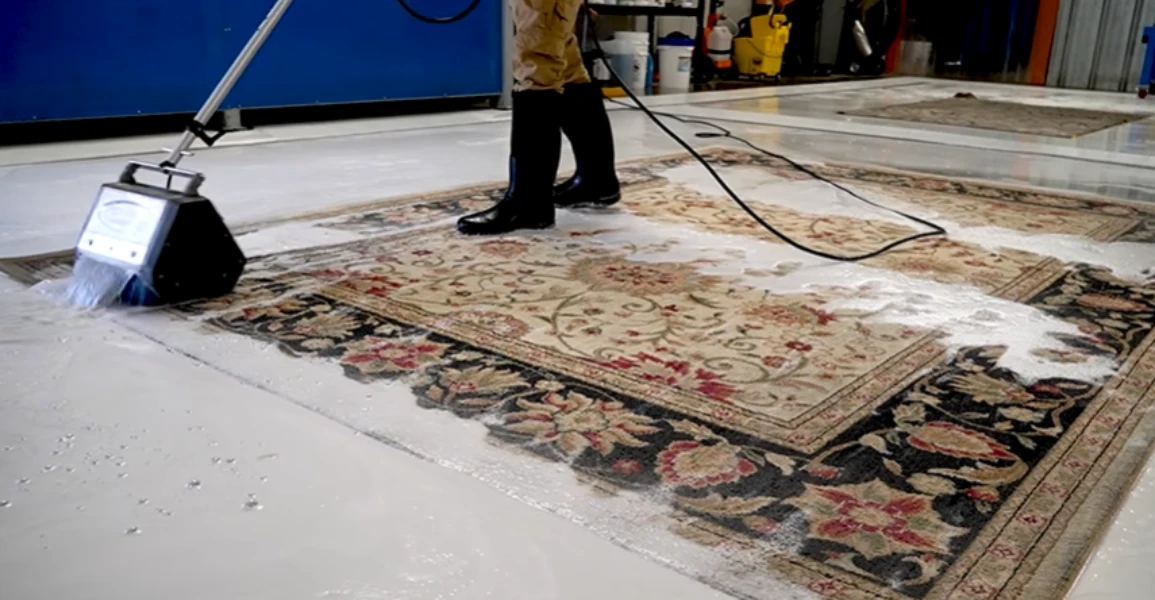
Synthetic & Machine-Made Rugs
Synthetic rugs include nylon, polyester, and polypropylene. Their backing, stains, build, and condition still need a careful check.
Wool & Natural Fiber Rugs
Wool rug care needs extra attention. Cotton, jute, and other natural fibers can also react differently to moisture, products, and drying.
Hand-Knotted & Specialty Rugs
Specialty rug cleaning starts with an inspection. Hand-knotted rugs, detailed builds, and fringe may need checks for dyes, age, damage, and wear.
Not sure what type of rug you own? That is common. Labels, fiber feel, backing, fringe, construction, and condition can help identify suitable care.
How Professional Rug Cleaning Works
Professional cleaning for area rugs should follow a clear order. First understand the rug. Then remove soil, treat problem areas, and manage moisture and drying.
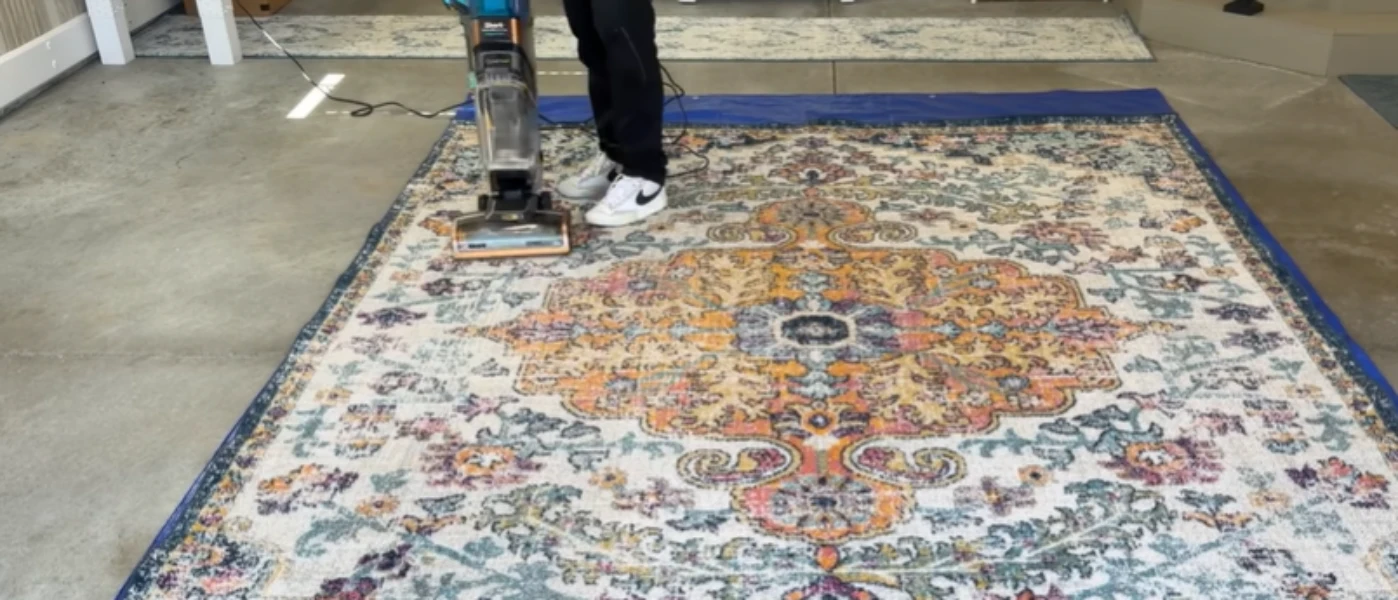
Inspect the Rug
Check the fiber, construction, backing, fringe, stains, worn areas, and existing damage. Past treatments can also affect the plan.
Address Loose Dry Soil
Sand, dust, and grit can settle deep inside. Remove as much loose soil as possible before deeper care.
Choose the Cleaning Method
Match the method to the fiber, construction, dyes, backing, condition, and soil level. Do not use one method for every rug.
Work on Spots & Problem Areas
Food spills, tracked soil, pet spots, and dirty fringe may need extra attention. The treatment should fit the stain and material.
Clean the Rug Carefully
Clean the rug with a method suited to its material and build. Control moisture, movement, and products during the work.
Manage Moisture & Drying
Good drying matters. Too much moisture can affect dyes, backing, odor, texture, and condition.
Complete a Final Review
Review the rug after cleaning and drying. Check its appearance, remaining spots, fringe, and areas that may need more attention.
Important: rugs do not all need the same moisture, movement, or cleaning product. The rug itself guides the safer process.
Care Based on the Rug, Not a One-Size-Fits-All Method
Each rug has its own material, construction, condition, and cleaning needs. A suitable plan considers those details before treatment, especially for wool, natural-fiber, hand-knotted, or damaged rugs. Learn more about our team and cleaning standards.
How Much Does Rug Cleaning Cost in Bismarck?
The price for rug cleaning in Bismarck depends on size, material, construction, condition, and cleaning needs. Stains, pet odors, heavy soil, and fringe may need added attention.
What Can Affect the Cost?
Need a Price for Your Area Rug?
Tell us the rug’s size, material if known, condition, and main concerns. We can use those details to prepare an estimate.
GET A FREE ESTIMATE Call (701) 719-8601Rug Care for Bismarck’s Climate
Bismarck weather can bring snow, salt, sand, spring mud, and summer dust indoors. Rugs near doors and in busy rooms often collect this soil first.
Salt, Sand, Snow & Moisture
Winter footwear carries road salt, sand, snow, and grit onto rugs. Spring melt can add moisture and mud. Regular vacuuming removes loose soil before it settles deeper.
Dust, Outdoor Soil & Everyday Traffic
Warm months bring dust, dry soil, grass, and outdoor debris. Rugs in busy spaces may need attention more often than rugs in quiet rooms. Customers in South Bismarck can review local service information.
Help Reduce Seasonal Buildup
Remove loose dirt and grit before it settles deeper.
Rugs near doors often collect the most salt, sand, mud, and outdoor soil.
Blot spills early so moisture has less time to move into the fibers.
Get the Right Cleaning Approach for Your Area Rug
Tell us the approximate size, material if known, and the dirt, stains, odors, or fringe concerns you see. These details help us understand the problem before the estimate. Use our contact page or call to discuss your rug with our local rug cleaning service.
Questions About Rug Cleaning?
Find simple answers about rug materials, stains, pet odors, drying, and daily care.
How often should area rugs be professionally cleaned?
No single schedule fits every rug. The right timing depends on traffic, pets, children, spills, outdoor soil, and location. Entry rugs and busy living-room rugs may need care more often.
Can wool and hand-knotted area rugs be professionally cleaned?
Many wool and hand-knotted rugs can be cleaned by a professional. They should not be treated like every synthetic rug. Fiber, construction, dyes, condition, damage, and moisture limits guide the method.
Can professional cleaning remove every rug stain?
No method can remove every stain. Results depend on the substance, age of the stain, past products, rug material, and color stability. Permanent color change or fiber damage may remain.
Can cleaning help with pet stains and odors?
Cleaning may help with pet residue, spots, and odors. Results depend on how deep the accident went. A problem in the backing or foundation may need more attention than a fresh surface spot.
How long does a rug take to dry after cleaning?
Drying time depends on material, thickness, construction, method, moisture, airflow, and indoor conditions. One drying time does not fit every rug.
Can I clean a rug myself at home?
Light vacuuming and suitable spot care help with routine upkeep. Deep DIY cleaning is not safe for every rug. Too much water, hard scrubbing, or the wrong product can affect fibers, dyes, backing, or fringe.
Can rug fringe be cleaned?
Fringe can often receive cleaning attention. Its material, attachment, age, and condition need a separate check. Weak or permanently discolored fringe may respond differently from the main rug.