
Why Fabric Furniture Needs Its Own Cleaning Method
Furniture fabric does not react like wall-to-wall carpet. Water, heat, cleaning products, and brushing can affect color and texture. Cushion filling and older wear also matter. We check these details before we recommend a method.
Many sofas and chairs have a care tag under a cushion or along the frame. The tag may show W, S, W/S, or X. These codes help us learn whether the material can accept water, needs a solvent method, or should avoid liquid products.
If the tag is missing, we inspect the material and test a small hidden area when needed. This check can reveal color movement, water marks, shrinkage, or texture change. A careful start is important for any couch cleaning service.
Our licensed, insured, and background-checked technicians explain the planned method and realistic limits. Learn more about our team and cleaning standards.
Common Furniture Care Codes
Sofas, Chairs, Sectionals, and Other Items We Assess
Each piece has its own fabric, filling, seams, and level of wear. We inspect the item before service. Some delicate, damaged, or X-code materials may not be suitable for a wet method. We explain the options before any work starts.
Common Furniture Fabrics
How We Clean Upholstered Furniture
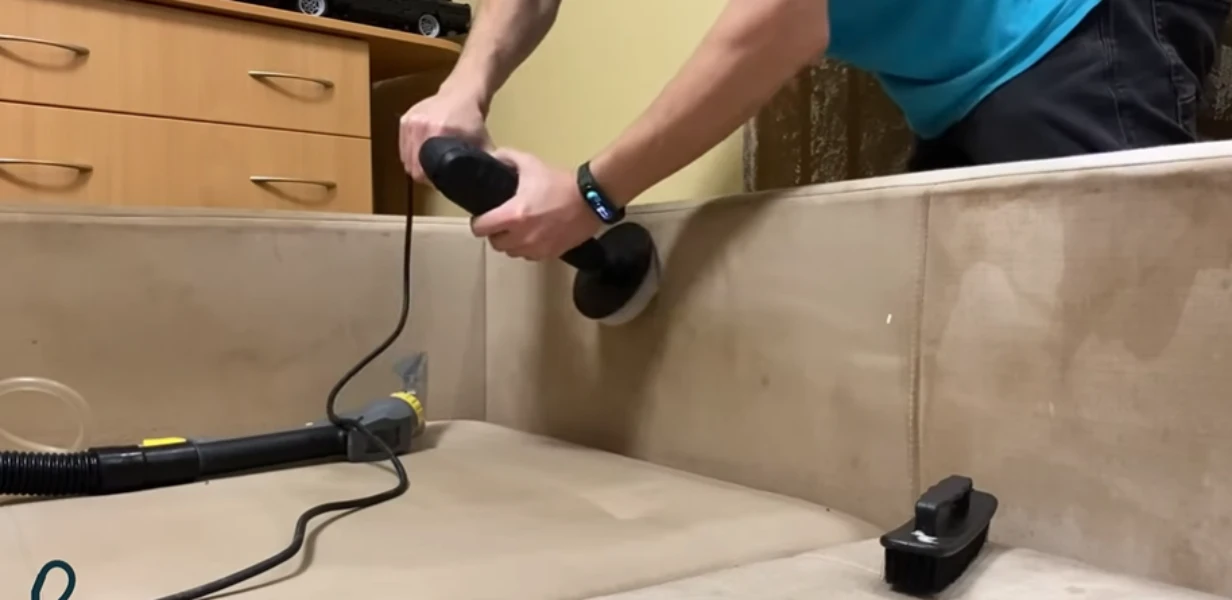
We do not use one method on every sofa or chair. Our process starts with an inspection. The fabric, care code, stains, wear, and moisture limits guide each step. Your technician can then explain the plan before service begins.
Inspect the Furniture
We check the fabric, care tag, seams, fading, worn areas, stains, and cushion build. We also ask about past products or treatments.
Remove Dry Soil
We remove loose dust, crumbs, pet hair, and surface debris before using a wet or solvent-based product. This keeps dry soil from turning into residue.
Test a Hidden Area
When needed, we test a small area that is hard to see. We look for color change, water marks, texture movement, or shrinkage.
Treat Spots and High-Use Areas
Spills, body oils, armrests, and dark areas may need extra attention. The product and dwell time must fit the fabric and type of soil.
Use a Fabric-Safe Method
We select a method based on the care code, fiber, backing, condition, and moisture limit. The technician should adapt the process to the item.
Control Moisture
We avoid leaving the item too wet. Thick cushions and padded areas can hold moisture longer than the outer fabric.
Complete a Final Check
We review the treated areas and explain drying. Fabric type, airflow, room temperature, humidity, and moisture level all affect drying time.
Signs Your Sofa or Chair May Need Professional Care
There is no fixed schedule for every item. Use, fabric type, pets, children, spills, and indoor conditions all affect how fast soil builds up. Busy family-room seating may need care sooner than a chair in a guest room.
For flooring with similar stains or pet-related soil, visit our residential carpet cleaning service.
Plan service when you notice dark armrests, body oils, stains, pet hair, or odors that return after routine care. Chair and sectional cleaning may also help when high-use areas look dull or feel sticky.
Dark or Oily Areas
Armrests, headrests, and seat cushions can darken as body oils and daily soil build up.
Odors That Return
Smells from pets, food, smoke, or spills may remain below the surface fabric.
Spills and Stains
Food, drinks, pet accidents, and other spots may need more than normal vacuuming.
Heavy Daily Use
A family sofa or favorite chair usually collects soil faster than occasional seating.
Pets in the Home
Hair, dander, soil from paws, and accidents can settle on fabric and inside seams.
Long Gaps Between Deep Care
Routine vacuuming removes loose debris, but it may not remove oils or soil held in the fabric.
Upholstery Cleaning in Bismarck: What Affects Price
Your estimate depends on the item, material, condition, and work required. A dining chair needs less time and cleaning area than a large sectional. We review the details first so you understand the planned service and price.
Furniture Size
A chair, loveseat, sofa, and sectional have different surface areas and cushion counts.
Fabric and Care Code
Microfiber, polyester, cotton blends, and delicate fibers may need different products and methods.
Condition and Soil
Light surface soil takes less work than heavy buildup on cushions, arms, seams, and headrests.
Stains and Odor Concerns
Food, drinks, body oils, and pet accidents may need added testing or focused treatment.
Number of Pieces
The estimate changes when you add chairs, cushions, an ottoman, or another sofa.
Tell Us About Your Furniture
Share the type of item, number of pieces, fabric if known, and your main concerns. Photos can also help us understand the size and condition before an on-site check.
Call for a Free EstimateFurniture Care for Bismarck Homes
Bismarck homes face snow, road salt, sand, dry indoor heat, pets, and seasonal dust. Soil can move from clothing, paws, blankets, and floors onto sofas and chairs. A local upholstery cleaner should consider these conditions when checking high-use furniture.
Furniture near entryways and busy family rooms may collect dirt faster. For broader floor care across the city, visit our carpet cleaning in Bismarck page.
Winter Grit
Snow, salt, and sand can transfer from clothing, pets, and blankets onto fabric.
Dry Indoor Air
Heated winter air can make dust, lint, and pet hair more noticeable on some fabrics.
Pets and Daily Use
Hair, body oils, food crumbs, and soil can collect on cushions, arms, and seams.
Seasonal Dust
Dust can enter through doors, windows, clothing, and pets during warmer months.
Book Sofa and Furniture Service in Bismarck
Tell us whether you have a sofa, couch, chair, sectional, ottoman, or dining seats. Share the fabric if you know it and explain any stains, odors, pet hair, or dark areas. We will use those details to plan the inspection.
We set realistic expectations. Some stains, fading, worn fibers, and deep pet contamination may not fully improve. Our goal is to choose a safe method and explain what the item may allow.
For other fabric surfaces, explore our area rug cleaning service. We also provide upholstered furniture care for customers in South Bismarck and Mandan.
Visit the Bismarck Carpet Care homepage for our full local service overview.
Get a Free EstimateSofa and Furniture Cleaning FAQs
These answers cover care codes, children and pets, odor limits, and drying time.
How do I find my furniture care code?
Look under a cushion or along the furniture frame for the maker’s tag. W often allows a water-based method. S points to a solvent method. W/S may allow either type. X usually means no liquid products. If the tag is missing, the fabric needs a careful check and may need a hidden-area test.
Is professional furniture care safe for children and pets?
The product and method must match the fabric and care directions. Tell us about children, pets, allergies, or product concerns before service. Keep people and pets away from the item until it is fully dry and ready for normal use.
Can professional cleaning remove pet odor from a couch?
Results depend on where the odor is held. Surface odor may respond better than urine or other material that reached the cushion filling or inner padding. We inspect the affected area first. We cannot promise full removal when contamination has moved deep inside the item.
How long does a sofa take to dry?
Drying often takes several hours. Fabric, cushion thickness, airflow, room temperature, humidity, and the amount of moisture all matter. Good airflow can help. Wait until the item is fully dry before normal use.
Should I treat a stain before the appointment?
Blot a fresh spill with a clean white cloth, but do not scrub it. Avoid an unknown stain product because it may set the spot, change the color, or affect the fabric. Tell the technician what spilled and which products were already used.